A multi-tool is extremely versatile. You can use it to saw, sand, cut, scrape, and even remove grout. However, things often go wrong in practice. This is usually not due to the multi-tool itself, but to the way the tool is used.
With the right technique, you will work faster and more accurately, and your saw blades will also last longer. That is why we have listed the 7 most common mistakes when working with a multi-tool.
1. Applying too much pressure
One of the most common mistakes is pressing too hard on the multi-tool. It may seem logical that you will cut through the material faster by applying more force, but in practice, this often has the opposite effect.
A multi-tool works by making rapid oscillating movements. When you apply too much pressure, the saw blade cannot move as freely, creating extra friction. This causes the blade to heat up faster and wear out sooner.
Therefore, let the saw blade do the work. Apply light, controlled pressure and give the machine enough time to cut through the material.
2. Using the wrong saw blade
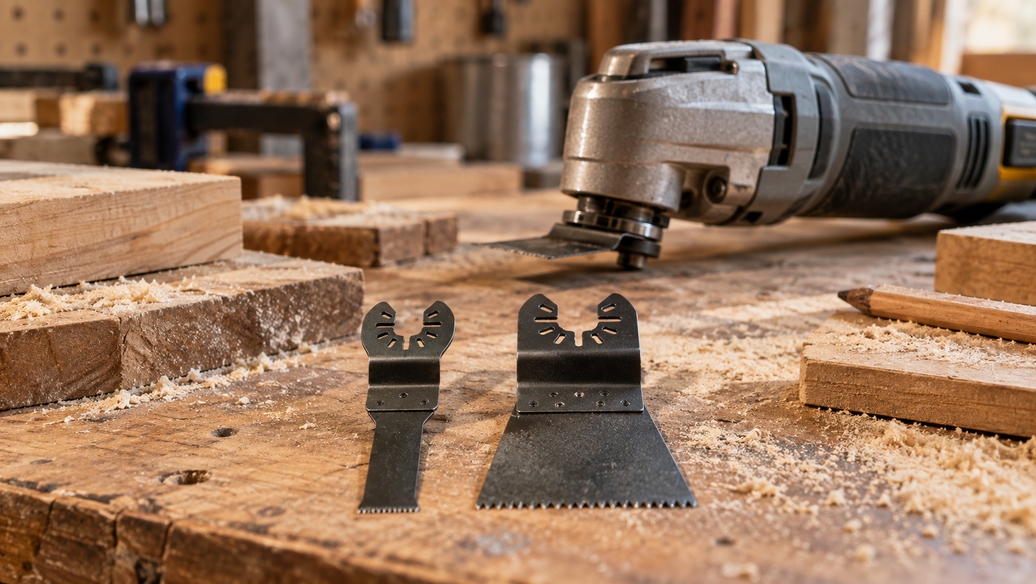
Not every multi-tool saw blade is suitable for every material. For example, using a wood saw blade to cut through a screw or nail can damage the teeth within seconds.
Therefore, always choose a saw blade that is suitable for the material you want to work on.
- Wood saw blade: for wood, MDF, chipboard, and similar materials.
- Bi-metal saw blade: for wood with nails and thin metal.
- Carbide saw blade: for harder and more abrasive materials.
- Diamond saw blade: for grout and stone-like materials.
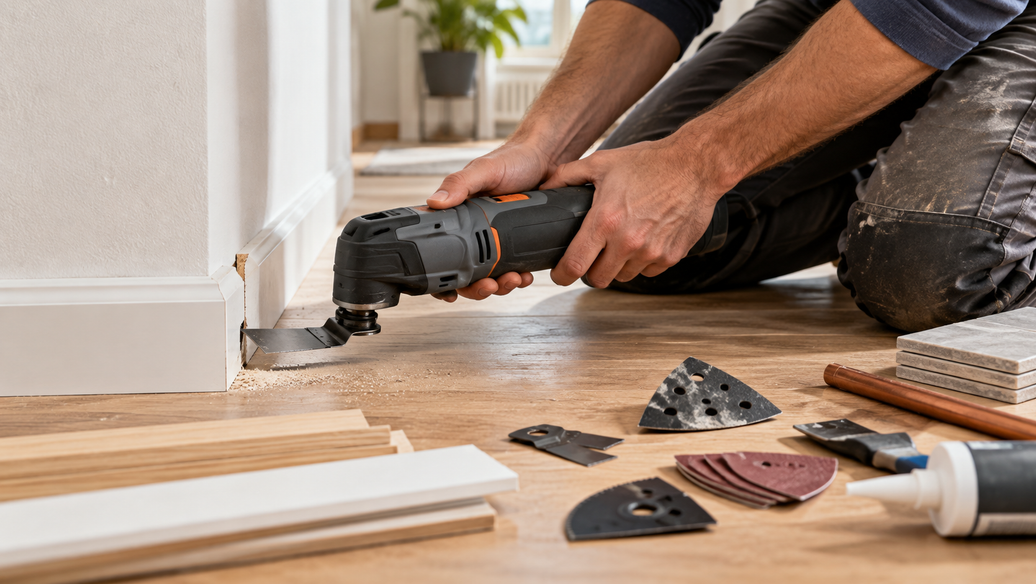
- Scraper blade: for caulk, adhesive, and floor residue.
By using the right blade, you will work faster and prevent unnecessary wear.
3. Sawing in the same spot for too long
If you keep the saw blade in exactly the same spot while sawing, heat will quickly build up there. This is especially true for longer cuts, which can cause the saw blade to overheat.
Therefore, move the multi-tool slightly back and forth while sawing. This way, you use more of the teeth and distribute the wear and heat more evenly.
This not only produces a better cut but can also extend the life of the saw blade.
4. Continuing to work with a blunt saw blade
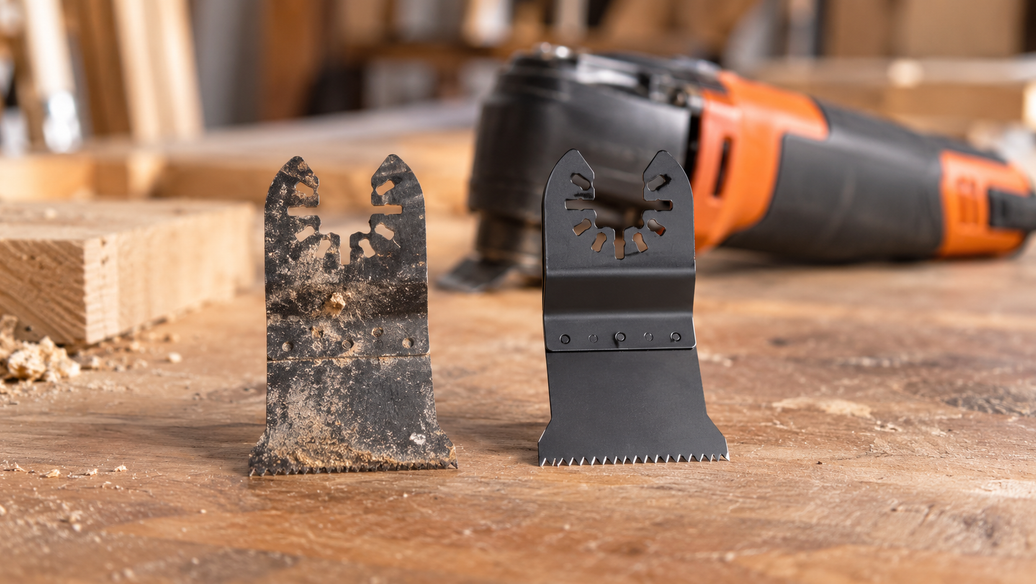
You can usually tell quickly when a saw blade is worn. Sawing takes longer, you have to apply more pressure, and the cut is less neat.
However, many people continue to use the same blade for too long. This creates extra heat and makes the job take unnecessarily long.
Therefore, regularly check the teeth of the saw blade. Are they blunt, damaged, or partially missing? Then it is usually time to replace the blade.
5. Holding the multi-tool incorrectly
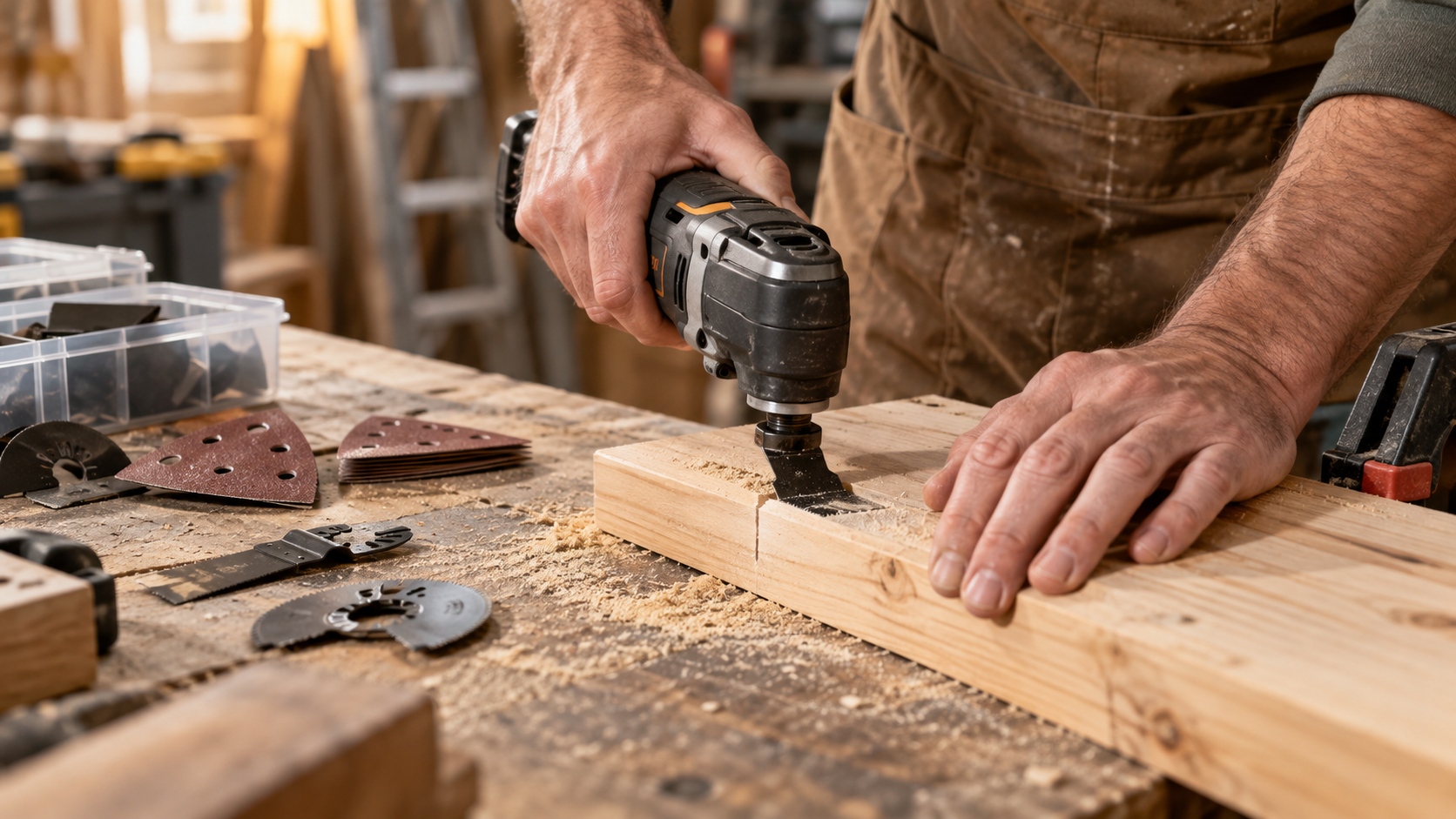
A multi-tool vibrates quite a bit during use. If you hold the machine incorrectly or too loosely, you will lose control more easily. This can cause the cut to become crooked or lead to accidentally damaging the surrounding material.
Hold the multi-tool firmly, but without applying excessive force. Use both hands whenever possible for precision work.
Also make sure you have a stable stance and a clear view of the area where you are going to saw.
6. Not checking what is behind the material
With a plunge saw blade, you can easily start sawing in the middle of a panel or wall. This is one of the great advantages of a multi-tool, but it also carries a risk.
Pipes, cables, or other materials may be located behind a wooden panel, drywall, or floor. Therefore, always check what is behind the surface before you start sawing.
Use a pipe detector if necessary and set the cutting depth as shallow as possible.
7. Not attaching the saw blade properly
Always check that the saw blade is securely attached before switching on the multi-tool. An incorrectly fitted or loose saw blade can cause extra vibrations and make it harder to control while working.
Many multi-tools now feature a quick-change system, but it is also important to check that the blade is fully locked in place.
Also make sure that the saw blade is in the correct position. Many multi-tools allow you to mount the blade at different angles, making it easier to work in hard-to-reach places.
Extra tip: give the saw blade time to cool down
A multi-tool saw blade can become quite hot during intensive use. This is especially true when cutting metal and hard materials, when the temperature can rise quickly.
If you notice that the blade is getting very hot, stop working for a while. This prevents overheating and can help keep the saw blade sharp for longer.
With the right technique, you will get more out of your multi-tool
A multi-tool is a powerful and versatile tool, but the right working method makes a big difference. By not pressing too hard, choosing the right saw blade, and preventing overheating, you will work faster and more accurately.
Your multi-tool saw blades will also last longer when you use them for their intended purpose.
Need the right saw blade for your job?
Browse MultiToolWorld's range of multi-tool saw blades and choose the right blade for wood, metal, plastic,
grout, and other materials.